LKH Arena Lüneburg
Veranstaltungstechnik für Multifunktionsarenen
A venue for sports, culture, and business
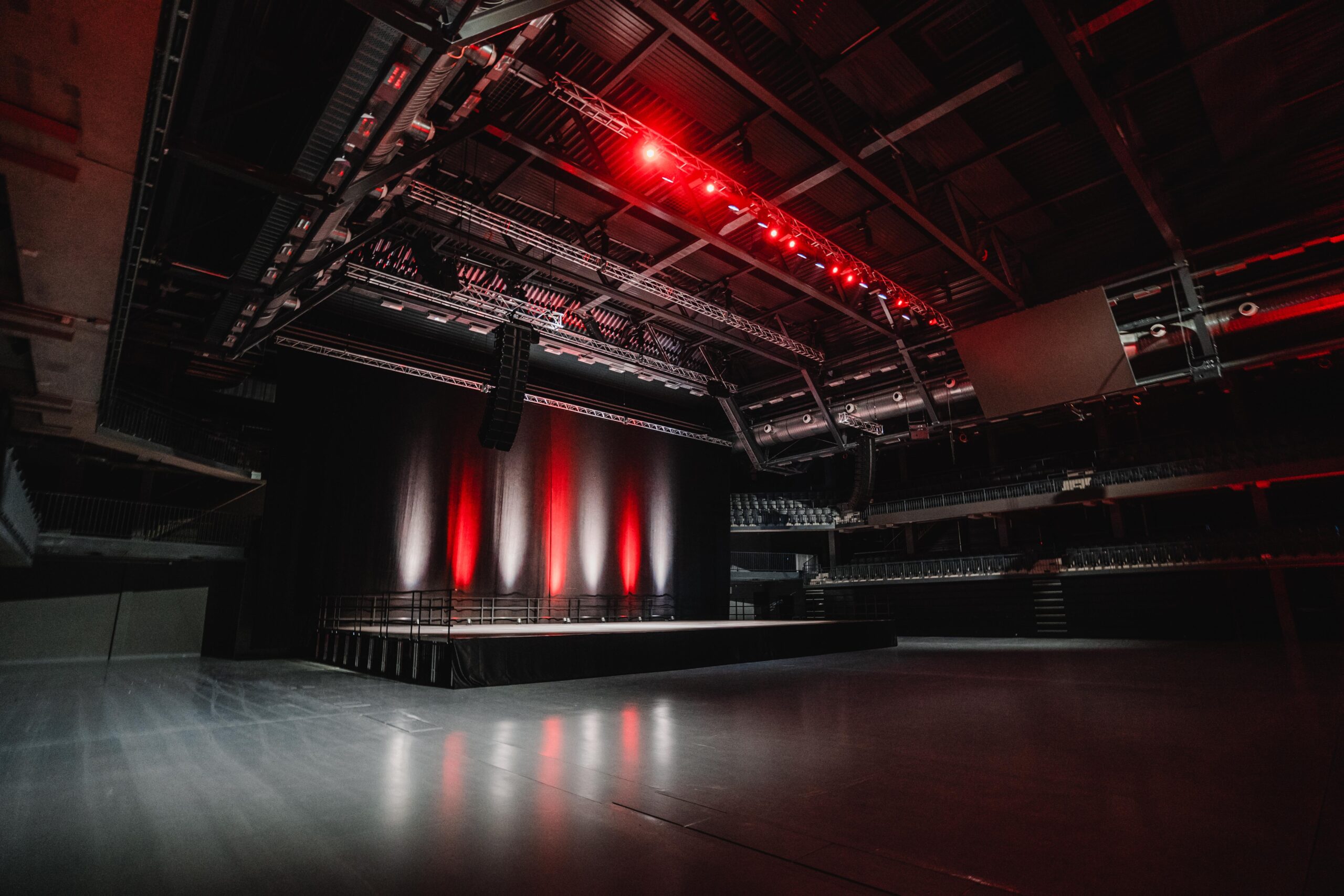
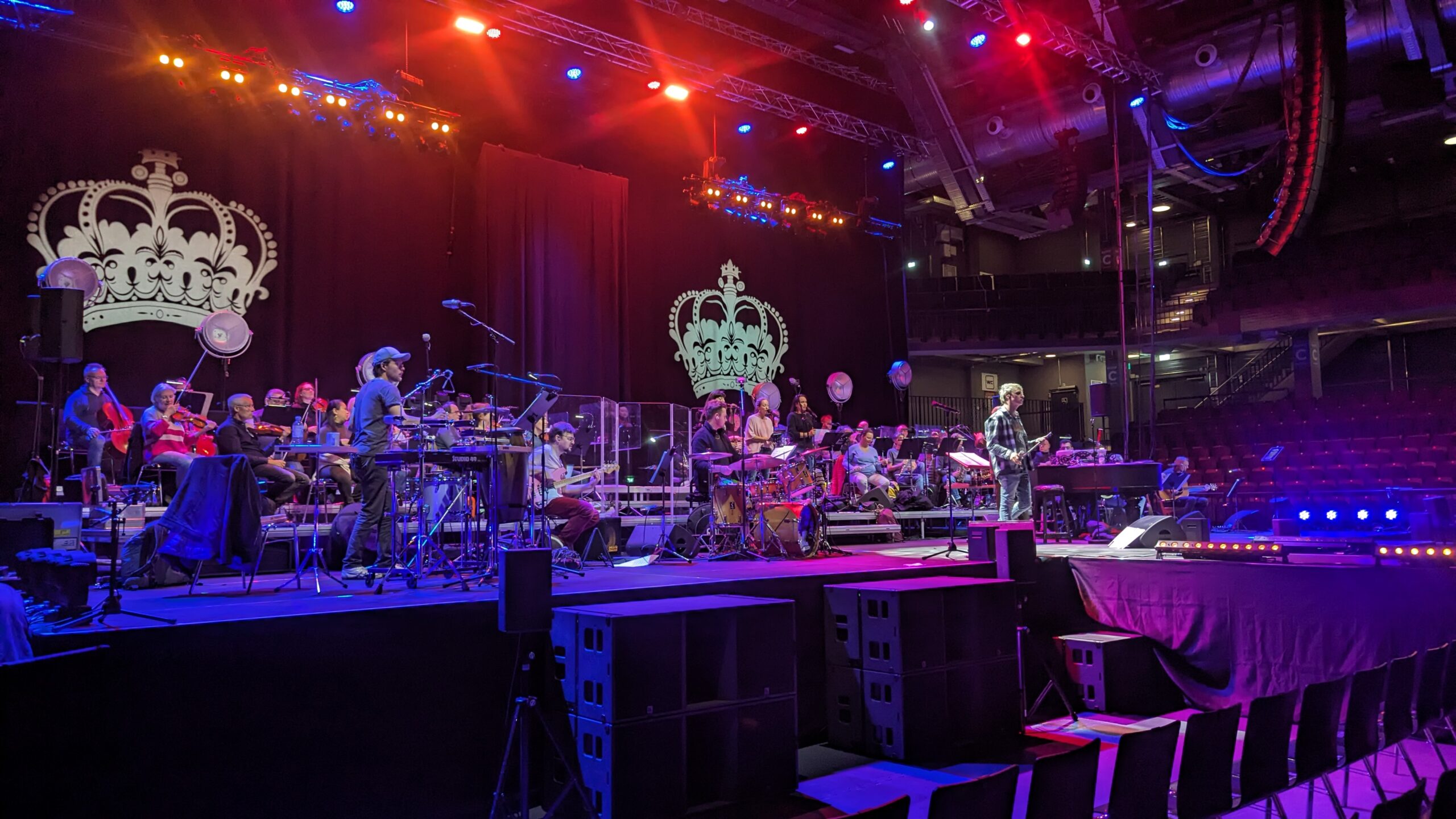
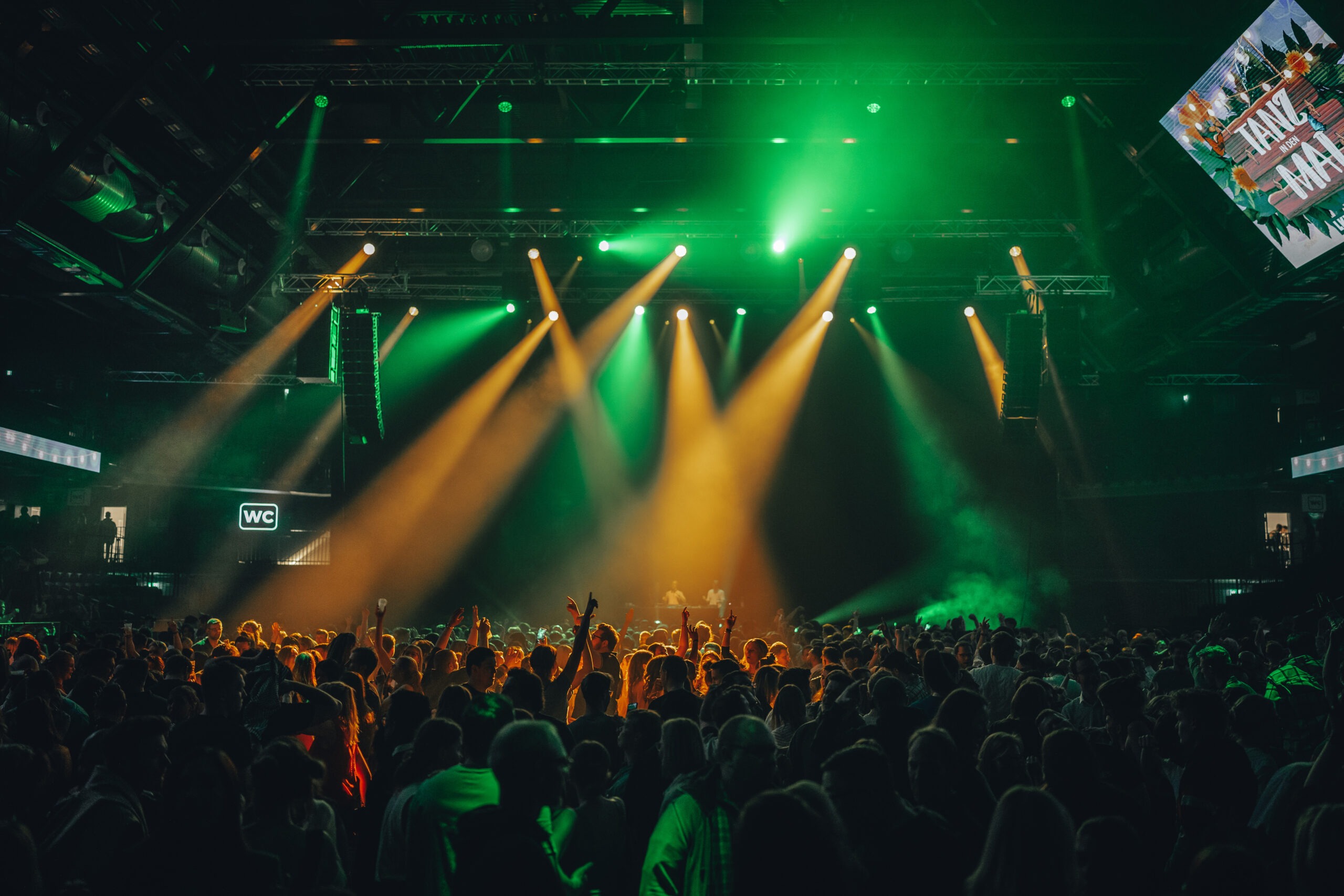
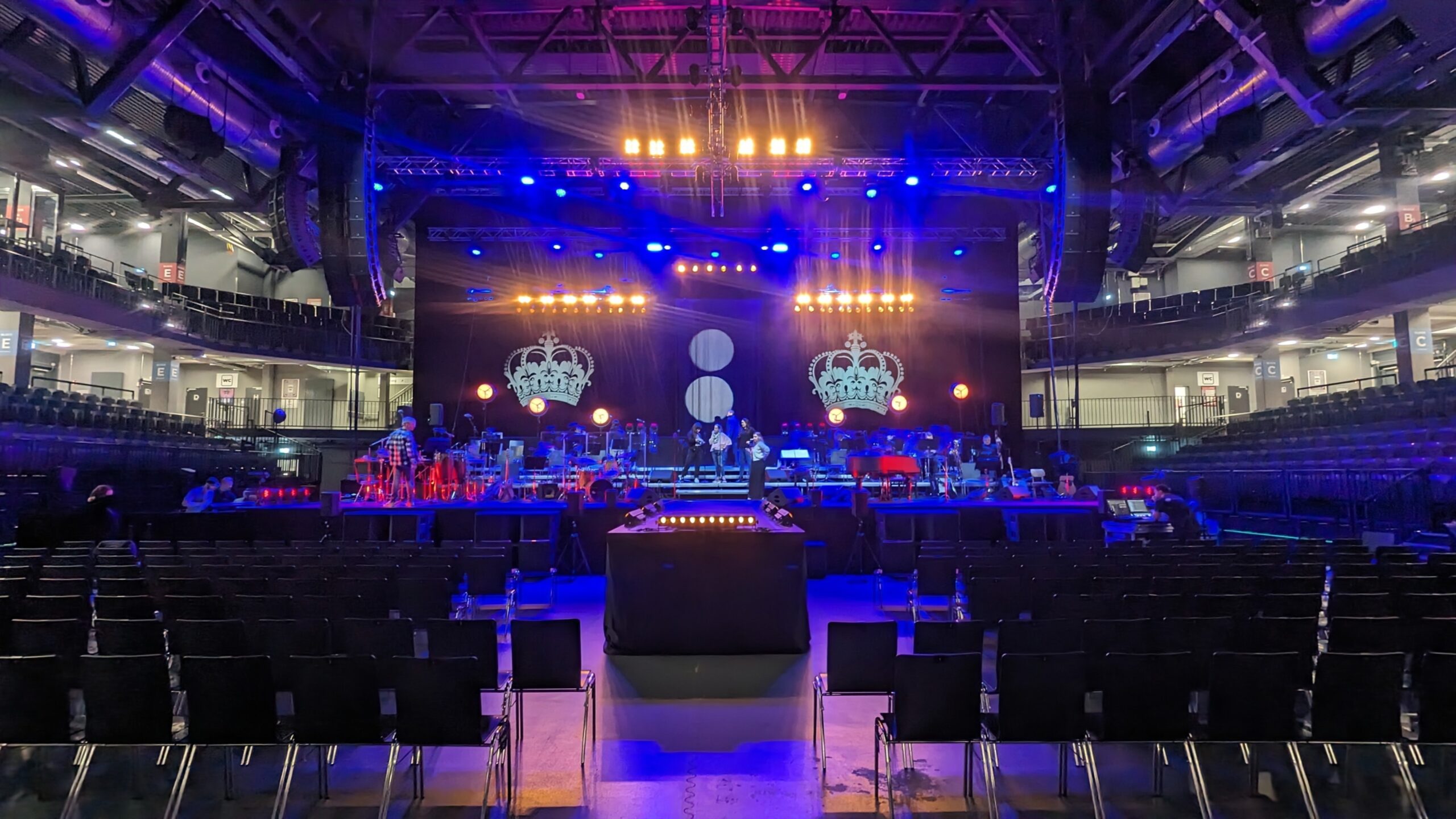
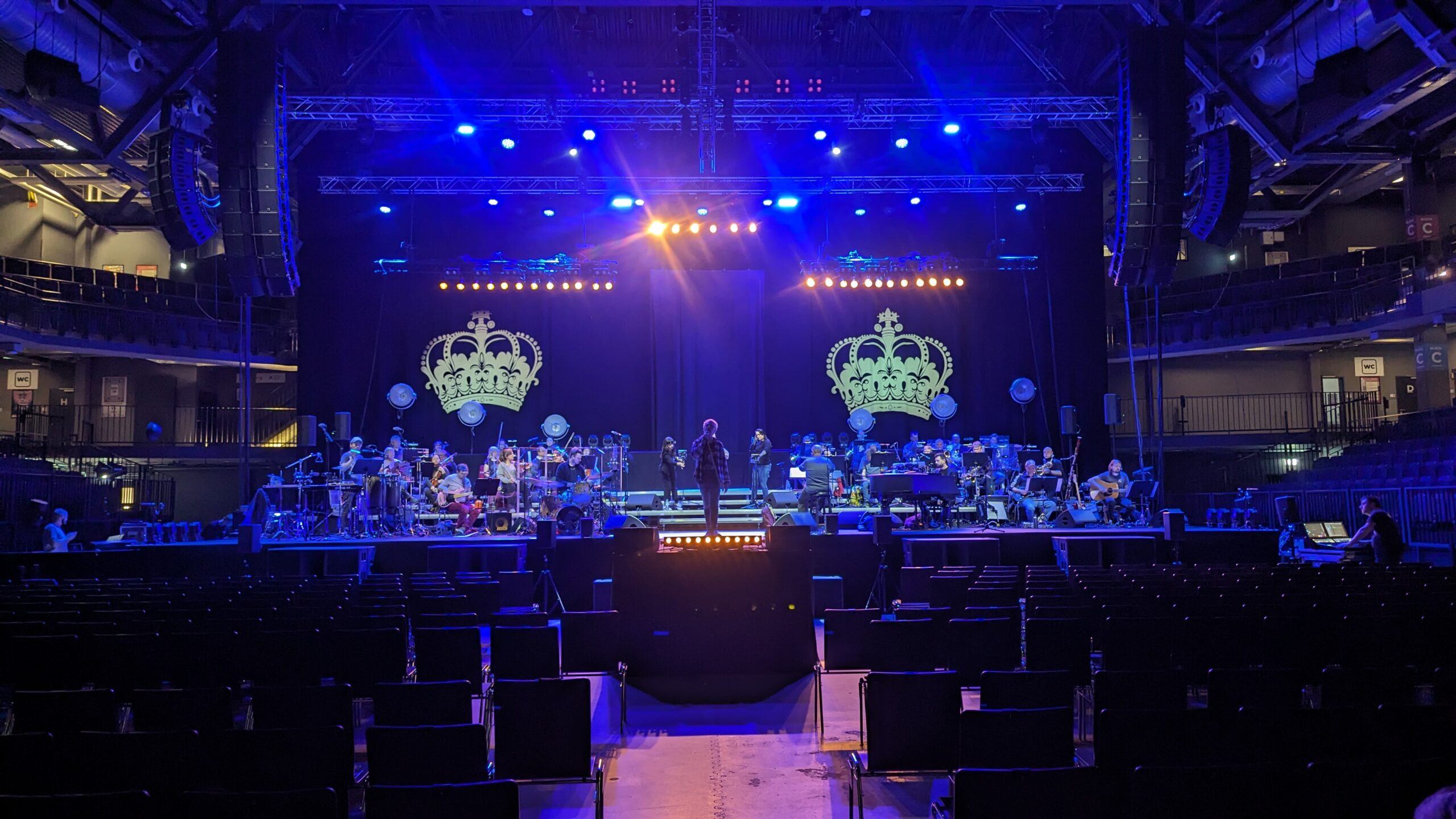
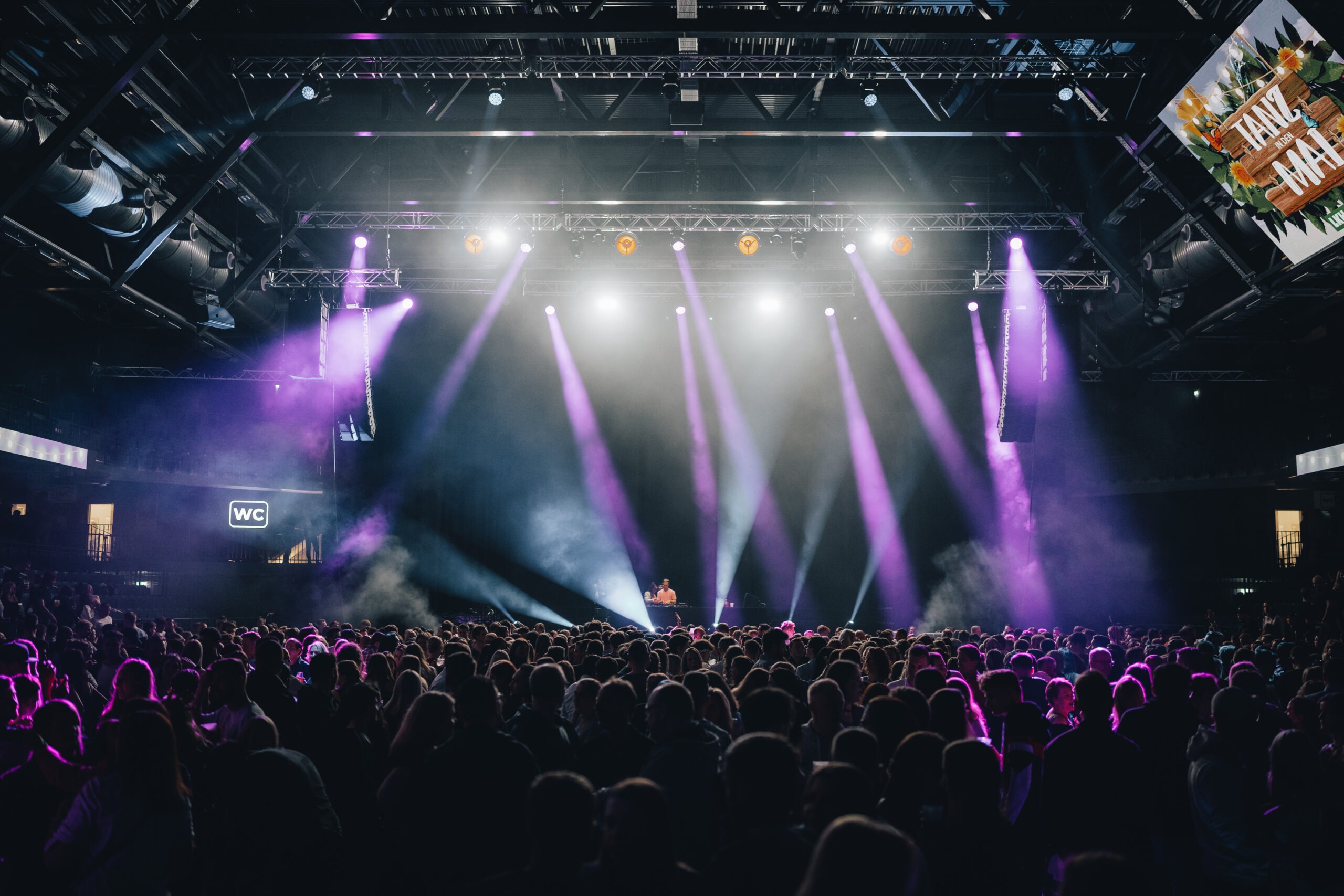
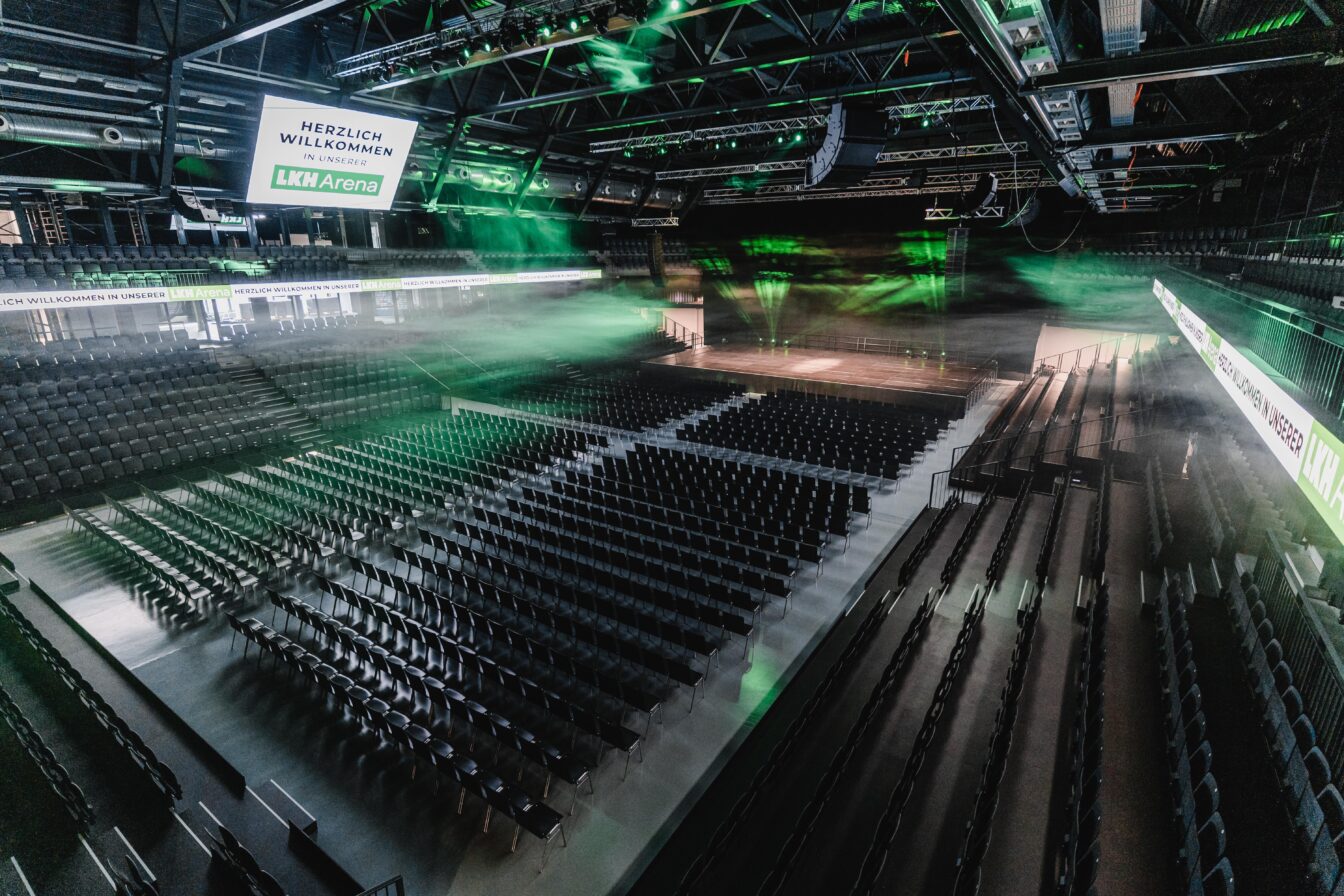
The LKH Arena Lüneburg has established itself as the region’s premier event venue. Known as the home arena of the Bundesliga volleyball team and Champions League participant SVG Lüneburg, the arena also hosts concerts, corporate events, trade shows, conferences, and numerous other types of events.
To ensure that a wide variety of requirements can be reliably met, a technical infrastructure is needed that is flexible, high-performance, and future-proof.
PROTONES played a key role in the design and installation of the event technology and continues to support the arena as a technical partner in its day-to-day operations.
The Challenge
Multipurpose arenas place special demands on technical planning.
While traditional venues often focus on a clearly defined purpose, an arena’s infrastructure must be capable of supporting a wide variety of event formats—from international sporting events and concert productions to conferences and corporate events.
The challenge was to develop a comprehensive technical concept that offers maximum flexibility while also enabling efficient and cost-effective operation.
In addition, the technology had to be designed to meet the high standards of professional event organizers, TV productions, sporting events, and corporate clients alike.
Our Approach
PROTONES worked with the project partners to develop a comprehensive event technology concept for the long-term operation of the arena.
The focus was on creating an infrastructure that supports a wide variety of use cases and can be flexibly adapted to changing requirements.
In addition to the technical planning and installation, consideration was given at an early stage to how the systems could be used, maintained, and further developed in day-to-day operations.
This comprehensive approach ensures a high level of investment security while also creating the ideal conditions for future event formats.
Implementation
PROTONES was responsible for the design and installation of key aspects of the event technology within the arena.
The systems were designed to meet the requirements of high-profile sporting events as well as the needs of concerts, trade shows, and business events.
In addition, PROTONES continues to assist the LKH Arena with its day-to-day operations and provides technical support for numerous events held on site.
Thanks to our ongoing support, technical requirements can be implemented quickly, event organizers receive professional assistance, and existing systems can be utilized to their full potential.
The result
With the LKH Arena, the Lüneburg region now has a modern venue capable of hosting a wide variety of events at a professional level.
The technical infrastructure provides the foundation for international sporting events, concerts, conferences, corporate events, and trade shows, offering organizers a high degree of flexibility and operational reliability.
By combining technical planning, installation, and long-term support, this project exemplifies PROTONES’ strength as a partner for complex venues and multifunctional event locations.
About PROTONES
PROTONES specializes in professional event, media, and systems technology. From technical planning and installation through to day-to-day operations, PROTONES supports its clients as a long-term technology partner. The company’s particular strengths lie in complex event venues and infrastructure projects where flexibility, reliability, and long-term operational safety are critical.
Our services for the LKH Arena Lüneburg
PROTONES installed 48x NEXO GEO S12 and 28x ID24 under the balconies in the LKH Arena. The ID24 ensures even SPL coverage and high output. The NEXO NXAMP Powered Controllers provided an effective plug-and-play solution for networked amplification and processing. The system can also be used for delays in mobile FOH systems for music events.
Although the arena had a conventional setup, a special subwoofer placement was necessary. Originally, the LS18 subwoofers were to be distributed, but this arrangement lowered the GEO S12 clusters and caused interference.
The final solution consisted of two LS18 clusters placed back-to-back along the width of the arena. This arrangement kept the deviation at +/-2 dB from 30 Hz to 85 Hz. By time-aligning the GEO S12 clusters to the central point of the arena, coherence in the crossover region was maximized.